Issue #21 — October 30, 2026
We've Always Done It That Way
"We've always done it that way."
If you've managed construction long enough, you've probably heard that phrase a few hundred times.
Sometimes there's a perfectly good reason for doing something a certain way.
Other times, it's just a way of telling you somebody doesn't feel like fixing it.
Dale Carnegie wrote a book nearly 90 years ago called How to Win Friends and Influence People.
One of his central principles was to become genuinely interested in other people. Understand their perspective instead of immediately dismissing it.
That's pretty good advice for managing subcontractors.
But there's a difference between understanding someone's position and agreeing with it.
Jobsite Conditions
🔁 3 — Times I've heard "We've always done it that way."
🕝 2 — "I'll be back tomorrow to finish it up." (Said at 2:30 PM)
📋 2 — Reminders that tomorrow's re-inspection is scheduled and the correction still isn't done
The Good News / Bad News
The Good News: Your subcontractor has been doing it that way for 25 years.
The Bad News: Apparently, nobody's questioned it in 25 years.
In the Trenches
When I was in my 20s and relatively new to managing houses, this was something I struggled with.
I've always enjoyed joking around with my trades, getting to know them, and generally maintaining good relationships with the people I work with.
The problem was that when something needed to be corrected, getting it done sometimes felt like pulling teeth.
There were explanations, excuses, and occasionally a very convincing argument for why something that was clearly wrong was actually just fine.
I didn't particularly enjoy confrontation, and I probably spent too much time trying to convince people to do things that ultimately needed to be done anyway.
Looking back, I think there were a few reasons for this.
Age: I was usually a good bit younger than the people I was managing. Not necessarily a problem, but it didn't always help.
Experience: I was still learning construction, but more importantly, I was learning how to manage people.
Understanding people: I tended to approach everyone the same way, without considering their personalities, motivations, or how they preferred to communicate.
Communication: I didn't always clearly explain what I expected or why I wanted something done a certain way.
Carnegie probably would've had a few things to say about that third point.
Taking a genuine interest in people means more than knowing their names or asking about their weekends.
It means understanding what motivates them, listening to their concerns, and recognizing that not everyone responds to the same approach.
But that doesn't mean compromising your expectations to accommodate every personality.
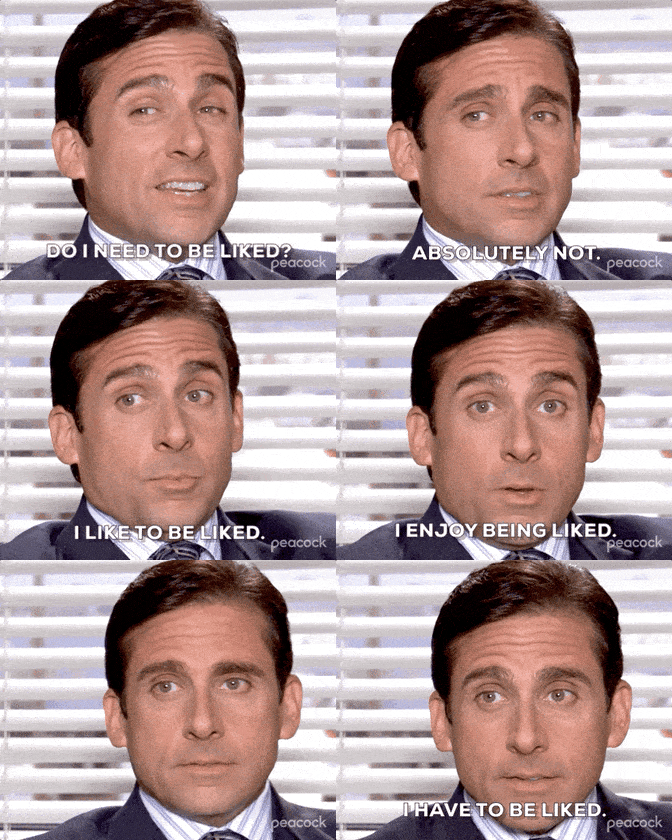
There's a difference between being liked and being respected.
Being liked means people enjoy your company. Being respected means they trust your judgment, recognize your responsibilities, and take your expectations seriously.
Consider two superintendents.
Superintendent A:
- Knows his trades personally.
- Jokes around and asks about their families.
- Is generally well-liked by everyone.
- Struggles with confrontation and holding people accountable.
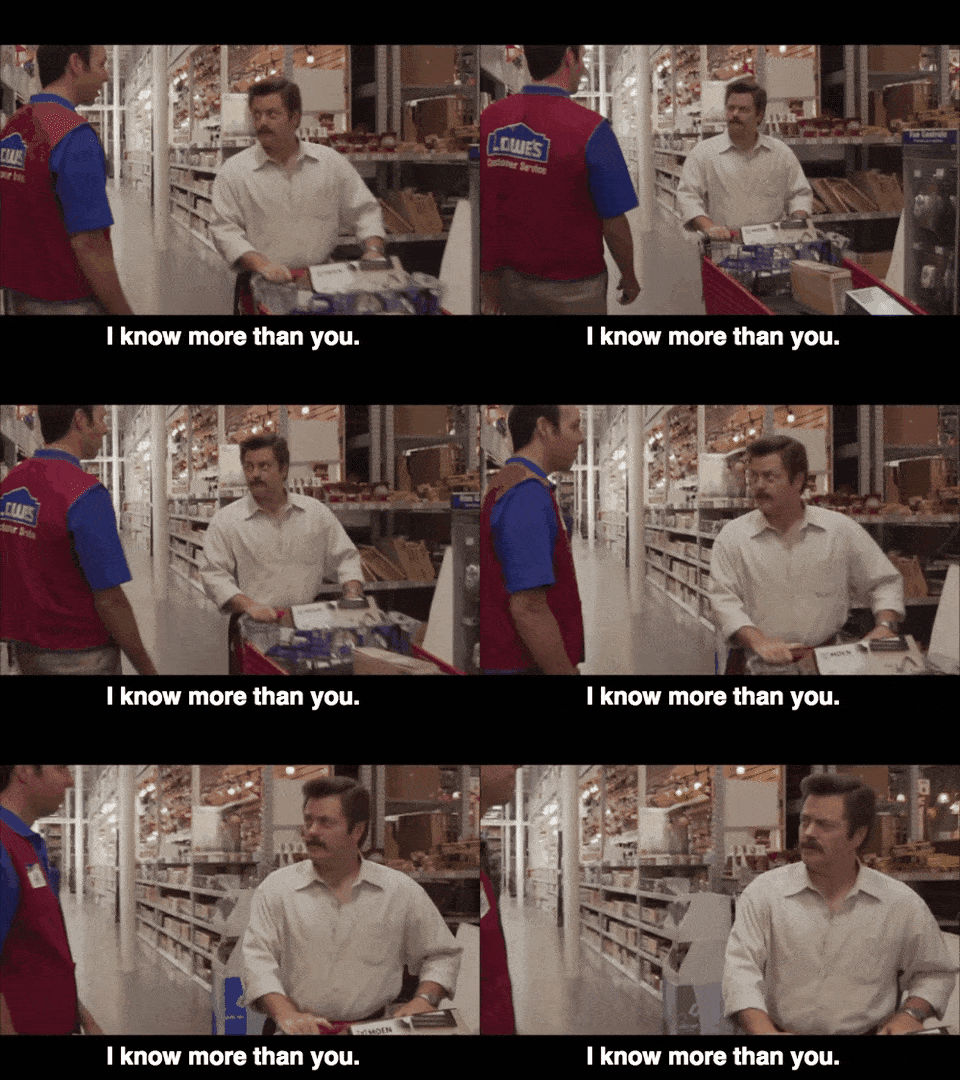
Superintendent B:
- Knows construction inside and out.
- Sets clear expectations and holds people accountable.
- Doesn't particularly care about building personal relationships.
- Is respected for his competence, but isn't necessarily someone people enjoy working with.
Neither approach is perfect.
But how much you value being liked is ultimately a personal choice.
Former Navy SEAL officer Jocko Willink has an interesting perspective on this. He identifies trust, listening, respect, influence, and care as five important parts of building relationships.
His point is that if you want people to respect and listen to you, you need to be willing to do the same for them.
I've always preferred building good relationships with the people I work with.
Over the years, I've learned that doing so doesn't have to come at the expense of managing them effectively.
If a subcontractor tells me they've always done something a certain way, I'll listen.
Maybe there's a legitimate reason. Maybe they know something I don't.
Or maybe correcting it means another four hours of work, and they'd rather be somewhere else.
That's human nature.
I'll hear them out, consider their explanation, and if I still believe it needs to be corrected, I'll explain why.
I get it. Nobody wants to come back and redo work.
But this is what needs to be done.
And that's usually the end of it.
Not because I'm trying to prove who's in charge, but because managing the job is my responsibility.
I've also had plenty of subcontractors offer solutions that were better than what I originally had in mind.
I'd be foolish not to listen to people who have spent decades perfecting their trade.
But ultimately, someone has to make the call.
Specifically, that someone would be you.
The relationships you build with your crews matter. Treat people fairly, take an interest in their lives, and don't make every correction a personal confrontation.
I've found that when people know you respect them, they're generally more willing to respect your decisions. Even when those decisions mean more work for them.
Carnegie was right. Taking a genuine interest in people goes a long way.
And that doesn't just apply to managing subcontractors.
It applies to homeowners, suppliers, sales reps, office staff, and just about everyone else you'll deal with throughout the day.
Everybody has their own problems, responsibilities, and perspectives. Taking a little time to understand them can make your job considerably easier.
And it's not bad advice for life outside of construction, either.
If this was worth the 5 minutes it took to read, forward it to somebody else!
See you next Friday.
Be nice to your subcontractors. You're going to need them to come back.
— David
Frequently Asked Questions
What should you do when a subcontractor says "we've always done it that way"?
Listen first. There may be a legitimate reason, or they may know something you don't. Hear them out, consider the explanation, and if you still believe it needs to be corrected, explain why. Then make the call. Managing the job is the superintendent's responsibility, and plenty of subcontractors have offered solutions better than the original plan, so the listening is worth doing.
Is it more important for a superintendent to be liked or respected by subcontractors?
Respected. Being liked means people enjoy your company. Being respected means they trust your judgment, recognize your responsibilities and take your expectations seriously. The two aren't mutually exclusive, though. When people know you respect them, they're generally more willing to respect your decisions, even when those decisions mean more work for them.
How can a new or younger superintendent manage experienced subcontractors?
Don't approach everyone the same way. Pay attention to each person's personality, motivations and preferred way of communicating, and explain clearly what you expect and why you want it done a certain way. Age and experience can make it harder early on, but taking a genuine interest in people doesn't mean compromising your expectations to accommodate every personality.
Get the next issue in your inbox.
Jobsite intel, market data, and construction mishaps. Every Friday.